

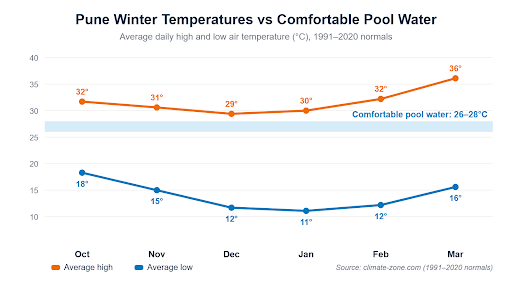
Winter pool care in India comes down to three things: keep the water warm enough to enjoy, keep it clean even when fewer people swim, and protect your equipment. In Pune, average night-time lows drop to about 11–12°C in December and January, so pool water can feel too cold for most swimmers even on sunny days. Many owners stop using the pool and cut back on care, which leads to algae, cloudy water and expensive clean-ups by March.
Indian winters are mild, so there is no need to drain or “close” your pool the way owners do in colder countries. A simple routine of regular swimming pool maintenance, a pool cover and, if you want to keep swimming, a heat pump will keep your pool ready all season. Below, you will find what changes in winter, how to heat the water efficiently and a simple care schedule to follow.
Why Does Your Pool Need Different Care in Winter?
Four changes affect your pool between November and February:
- Colder water: Cool nights pull heat out of the water, especially from open outdoor pools. Water that felt pleasant in October can feel chilly by mid-December.
- More leaves and dust: Dry winter months bring falling leaves, dust and debris that clog skimmers and feed algae. Fine dust also clouds the water and uses up chlorine faster.
- Less swimming, less attention: Pools that sit unused often get ignored, but poorly circulated water is where algae and bacteria grow.
- Shifting water chemistry: Lower temperatures and less use change chlorine demand, so regular testing still matters even when nobody is swimming.
Winter is also the season for family gatherings, festive parties and holidays around Christmas and New Year. Hotels, clubs and resorts welcome some of their busiest tourist weeks, and guests expect a clean, usable pool even on cooler days. The good news is that a few small habits prevent all of these problems and keep the pool guest-ready.
How Can You Keep Pool Water Warm in Winter?
Most swimmers find water between 26°C and 28°C comfortable for leisure swimming. Three measures help you get there:
- Use a heat pump: An air-source heat pump uses a small amount of electricity to move heat from the surrounding air into the pool water. Apram’s heat pumps feature a titanium heat exchanger and precise temperature control. Ask your pool builder to size the unit for your pool’s volume and the water temperature you want.
- Cover the pool: Solar bubble covers trap heat and reduce evaporation. The US Department of Energy notes that covering a pool when it is not in use can cut heating costs by 50–70% and reduce make-up water by 30–50%.
- Heat at the right time: Run the heat pump in the afternoon, when the air is warmest, and keep the pool covered overnight.
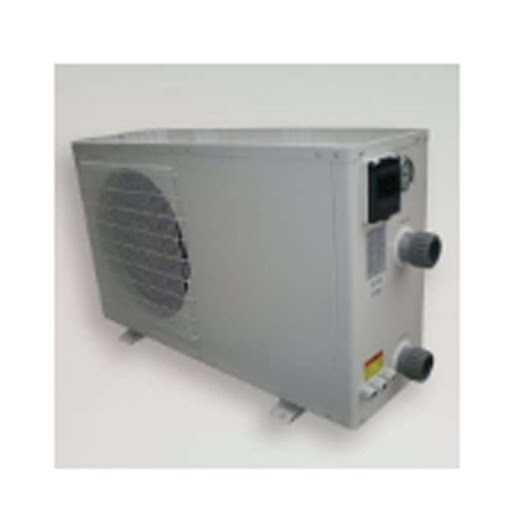
Swimming pool heat pump with titanium heat exchanger
What Should Your Winter Maintenance Schedule Look Like?
Follow this simple schedule to keep the water clear through winter:
- Daily: Skim floating leaves, check the water level and run the filtration system for its set hours.
- Weekly: Test the water, brush the walls and floor, vacuum the pool and empty the skimmer and pump baskets. Keep pH between 7.2 and 7.8 and free chlorine at 1 ppm or above, in line with CDC guidance.
- Monthly: Backwash the sand filter and inspect the pump, heat pump and lights.
- Before summer: Plan a deep clean, check tiles and grout and service all equipment.
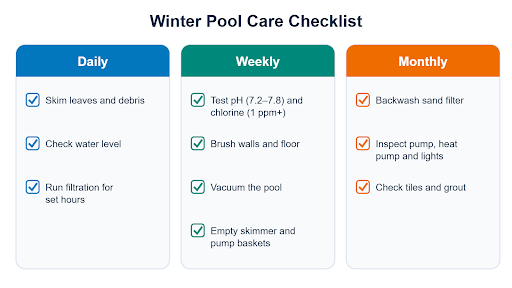
Daily, weekly and monthly winter pool care checklist
Should You Hire a Professional for Winter Care?
If you use the pool less in winter, a scheduled visit plan is often easier and cheaper than fixing problems later. A professional pool cleaning service in Pune tests and balances the water, cleans the filter, checks the pump and heater, and spots small leaks or tile damage early. This keeps your pool safe and ready for the first warm weekend of the year.
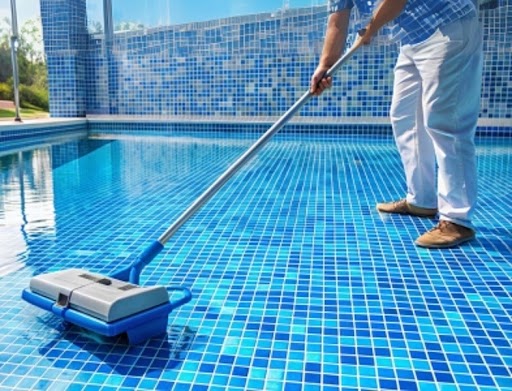
Professional vacuum cleaning keeps tiles and water spotless
Frequently Asked Questions
Should I drain my pool in winter?
No. Indian winters rarely get cold enough to freeze pool water, and draining an in-ground pool can put stress on its structure and tiles. Keep the pool full, filtered and balanced instead.
How often should a pool be cleaned in winter?
At least once a week, along with daily skimming of leaves. Regular swimming pool maintenance in winter prevents algae and saves money on a major clean-up before summer.
Does a heat pump work in Pune’s winter?
Yes. Air-source heat pumps draw heat from the surrounding air, and Pune’s winter afternoons stay around 29–30°C on average. That gives the unit plenty of warmth to work with, especially when you heat during the day and cover the pool at night.
Can I book pool care only for the winter months?
You can ask for a plan that matches how you use the pool. Apram Pools offers customisable maintenance plans, and its team works as a reliable pool cleaning service in Pune for homes, societies, hotels and clubs.
Conclusion
A pool does not need to sit idle or turn green in winter. Keep it covered, clean it every week and consider a heat pump if you want to swim through December and January. Speak to your pool builder about adding a heat pump or cover this season, and your pool will be ready for summer without a costly clean-up.