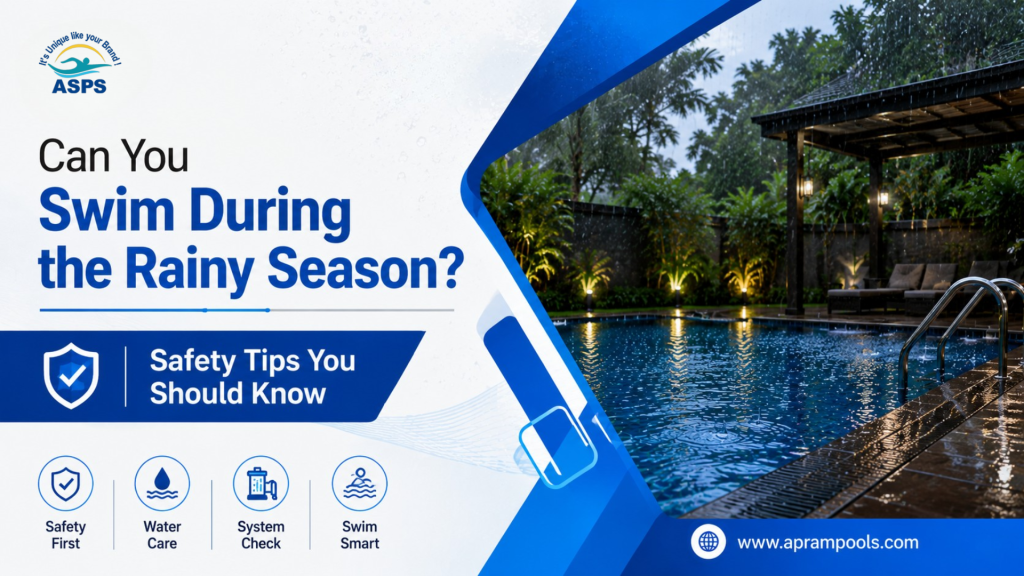

For many people, the monsoon season brings cooler temperatures and a refreshing atmosphere, making a swim seem even more enjoyable. However, one common question among pool owners is, “Is it safe to swim during the rainy season?” The answer is yes, but only under the right conditions.
Rain itself isn’t harmful to swimmers, but thunderstorms, poor water quality, slippery pool decks, and improper maintenance can create serious safety risks. Whether you own a traditional pool or a ready made swimming pool, taking the right precautions is essential to ensure a safe and enjoyable swimming experience.
In this guide, we’ll discuss everything you need to know about swimming during the rainy season and how to keep your pool safe, clean, and ready for use.
Is It Safe to Swim in the Rain?
Swimming during light rain is generally safe if there is no thunder or lightning and your pool water is clean and properly treated. Light showers usually don’t pose any health risks, and many swimmers even enjoy the refreshing experience.
However, heavy rain can bring dirt, leaves, insects, and other contaminants into the water. It can also dilute pool chemicals, affecting water quality. Before entering the pool after rainfall, always ensure the water is clean and properly balanced.

Avoid Swimming During Thunderstorms
One of the biggest dangers during the monsoon is lightning. Water is an excellent conductor of electricity, making swimming pools unsafe during thunderstorms.
If you hear thunder or notice lightning nearby, leave the pool immediately and wait until at least 30 minutes after the last thunderclap before swimming again. This simple precaution can prevent life-threatening accidents.
Check Water Quality Before Swimming
Heavy rainfall can alter your pool’s chemical balance by reducing chlorine levels and changing the pH. This creates ideal conditions for bacteria, algae, and other microorganisms to grow.
Testing your pool water after rain is one of the most important safety measures. Ensure that chlorine, pH, and alkalinity levels are within the recommended range before allowing anyone to swim.
Regular maintenance keeps the water crystal clear and safe throughout the rainy season.
Watch Out for Slippery Pool Areas
Rainwater often makes pool decks, ladders, and surrounding tiles slippery, increasing the risk of slips and falls.
To improve safety:
- Walk instead of running around the pool.
- Keep the deck free from standing water.
- Install anti-slip tiles or mats where possible.
- Supervise children at all times.
A clean and dry pool area is just as important as clean pool water.
Remove Leaves and Debris Promptly
Monsoon winds carry leaves, twigs, dust, and insects into swimming pools. Organic debris not only makes the pool look dirty but also affects water quality by clogging filters and encouraging algae growth.
Skim floating leaves daily and clean the pool filter regularly to maintain proper water circulation. Using a pool cover whenever the pool is not in use can also reduce the amount of debris entering the water.
Maintain Proper Filtration
Your filtration system works harder during the rainy season because it has to remove more dirt and suspended particles from the water.
Run the filtration system for longer after heavy rainfall and clean the filter according to the manufacturer’s recommendations. Efficient filtration keeps the water clean, improves visibility, and reduces the chances of bacterial growth.
Pay Extra Attention to Children
Children often become excited about swimming in the rain, but adult supervision becomes even more important during the monsoon.
Never leave children unattended near the pool, especially when surfaces are wet. Ensure they understand basic pool safety rules and avoid swimming during heavy rain or thunderstorms.
Safety should always come before fun.
Protect Your ready made Swimming Pool During Monsoon
Owning a ready made swimming pool offers convenience and quick installation, but it also requires regular care during the rainy season. Since these pools are exposed to changing weather conditions, proper maintenance helps extend their lifespan and keeps the water safe for swimming.
Using a pool cover, maintaining balanced water chemistry, cleaning filters regularly, and removing debris after rainfall can prevent unnecessary wear and reduce maintenance costs. If your ready made swimming pool includes pumps or filtration equipment, inspect them periodically to ensure they are functioning efficiently throughout the season.
With proper care, a ready made swimming pool can provide years of enjoyable and hassle-free use.
Schedule Professional Pool Maintenance
While routine cleaning can be managed by pool owners, professional inspections help identify hidden issues before they become expensive repairs. Experts can check filtration systems, pumps, pipelines, lighting, and water quality to ensure everything is operating efficiently.
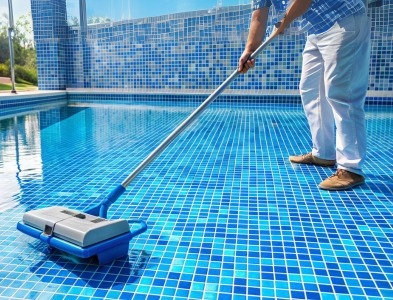
If you’re looking for reliable pool construction, maintenance, or repair services in Pune, Apram Pools provides complete swimming pool solutions for homes, villas, hotels, schools, and commercial properties. Their experienced team helps keep pools clean, safe, and ready to use in every season. Learn more by visiting Apram Pools.
Additional Monsoon Pool Safety Tips
Here are a few extra tips to enjoy safe swimming during the rainy season:
- Avoid swimming immediately after heavy rainfall.
- Remove floating debris before entering the pool.
- Keep rescue equipment nearby.
- Ensure outdoor electrical systems are protected from rain.
- Store pool chemicals in a dry and secure location.
- Inspect pool equipment regularly for signs of damage.
Following these simple precautions can prevent accidents and reduce maintenance issues.
Conclusion
Swimming during the rainy season can be enjoyable, but only when safety comes first. While light rain is usually harmless, swimming during thunderstorms or in poorly maintained water should always be avoided. Regular cleaning, balanced water chemistry, proper filtration, and routine inspections are essential for keeping your pool safe.
Whether you own a traditional pool or a ready made swimming pool, consistent maintenance ensures clean water, longer equipment life, and a better swimming experience for your family. If you need professional assistance with pool installation, maintenance, or repairs, Apram Pools offers trusted solutions to help you enjoy a safe and worry-free swimming season.